See how prices change and discover practical strategies to keep your family finances in check.
Get started
Food, transport, utilities organized for detailed analysis
Year-over-year comparisons to understand inflation trends
Strategies to maintain purchasing power in Argentine context
Select month and category to view price trends and percentage changes.
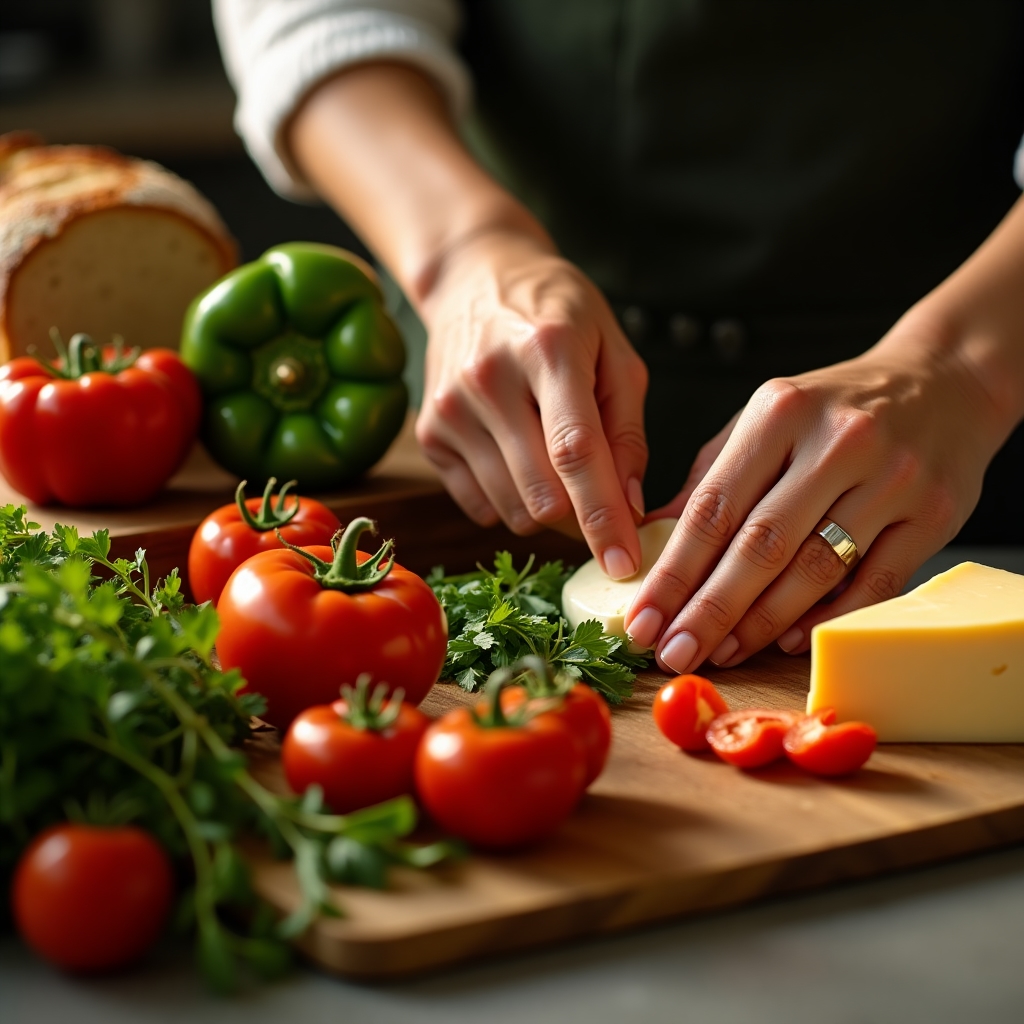
+12% monthly

+5% monthly
+3% monthly
Organizing shopping by week allows you to take advantage of deals, avoid impulse purchases and reduce food waste. Create a list based on weekly menus and compare prices before heading out.
Prices can vary significantly between neighborhoods. Use apps or visit different stores to identify where to get better prices on staple items you consume regularly.
When you find promotions on non-perishable products like rice, pasta, canned goods or cleaning supplies, buy larger quantities. This protects you from future price increases.
Avoid using high-consumption appliances during peak hours. Schedule washing machines and dishwashers for nighttime hours, and reduce air conditioning or heating use during highest-rate periods.
Set monthly limits for categories like entertainment, dining out and non-essential purchases. Monitor these expenses weekly to stay within budget and adjust as needed.
Allocate a fixed percentage of your income to an emergency fund covering at least three months of basic expenses. This financial cushion protects you from unexpected increases and unforeseen situations.
Demonstrative model of monthly distribution for typical family in Argentina
| Category | Monthly amount | Percentage |
|---|---|---|
| Total income | $450,000 | 100% |
| Food | $135,000 | 30% |
| Transport | $67,500 | 15% |
| Utilities | $90,000 | 20% |
| Savings & emergencies | $67,500 | 15% |
| Other expenses | $90,000 | 20% |
Do you record all your daily expenses?
Do you buy items on impulse?
Do you have an emergency fund?
Complete the form and start controlling your family finances